


Most productivity advice assumes you wake up as the same person every day. With the same energy, the same focus, and the same amount of mental space. As if the mind were a machine that boots up the same way each morning.
It’s not.
Some days, life takes over before I’ve even had a chance to plan it. Other days I sit down to write “just for a moment” and resurface only when the light outside has shifted and kids are asking for dinner.
Today’s productivity culture has little flexibility for this rhythm. My brain refuses to warm up on command, and some days vanish into a mysterious void. Often my focus arrives late, but once it does, it settles in and refuses to leave.
My gray matter prefers depth before it will tolerate order or tidy systems.
Over the years I’ve learned to treat my focus, or lack of it, with kindness. I stopped fighting it, stopped questioning or trying to schedule it.
Instead, I harvest it when it’s available.
Where I Thought I Was
For a long time, I believed consistency was the way. I absorbed the idea that real work happens in neat, repeatable units, at the same time every day, without friction.
I know people like this, but I’m not one of them. Irregularity felt like something to correct, not understand.
When my energy arrived in waves instead of straight lines, I treated it as a flaw. I tried to behave like someone whose mind responds well to routines, even when mine clearly didn’t.
In my head, consistency meant maturity, reliability, professionalism. It took me years to see the mistake in that thinking.
Stop Interrupting the Moment
The shift came from noticing what happens on the rare days when life leaves me alone and there is uninterrupted time to work.
On those days, I was deeply productive. I learned that my brain doesn’t want to pace itself but to lock in. That’s why I became an entrepreneur: to be in charge of my focus.
Dystopian fantasy poetry needs time and space where nothing pulls at your sleeve. I need a mental environment where thoughts aren’t broken apart in the name of efficiency.


I often sit down with a loose plan, sometimes aiming for a single sentence or sound. Then hours disappear. Time collapses. Ideas arrive fast. I feel inside the writing.
By the time I surface, the day may be gone. In return, I get poems, worlds, soundscapes I didn’t know I had. When I’m in, I don’t need a timer. I just want to be left alone until I’m done.
Presence Beats Pacing Every Time
It took me a long time to accept it, but I do my best work in immersion. The kind of writing I make leans on atmosphere as much as language, and it can’t be done on schedule.
My mind doesn’t respond to polite routines. It responds to depth. I need to stay with the same ideas, images, and tonal threads long enough.
Discipline was never the problem. Whenever I try to force my work into productivity systems, it thins. Depth gives me speed where it matters. The writing retains an internal coherence that can’t be scheduled into existence.
Designing Around Focus Instead of Fighting It
Once I stopped arguing with how my focus works, my process began to develop. Instead of spreading my energy thin, I protect the moments when focus naturally concentrates. In poetry writing and soundscapes, creating something real matters more than the process.
Life can and will interrupt you, and that part isn’t negotiable.
Writing feasts on writing. Thinking deepens by thinking. Editing comes later.
Grouping my work this way isn’t this clever system. It’s the only way to stay honest about my attention.
Protecting Momentum Instead of Managing Minutes
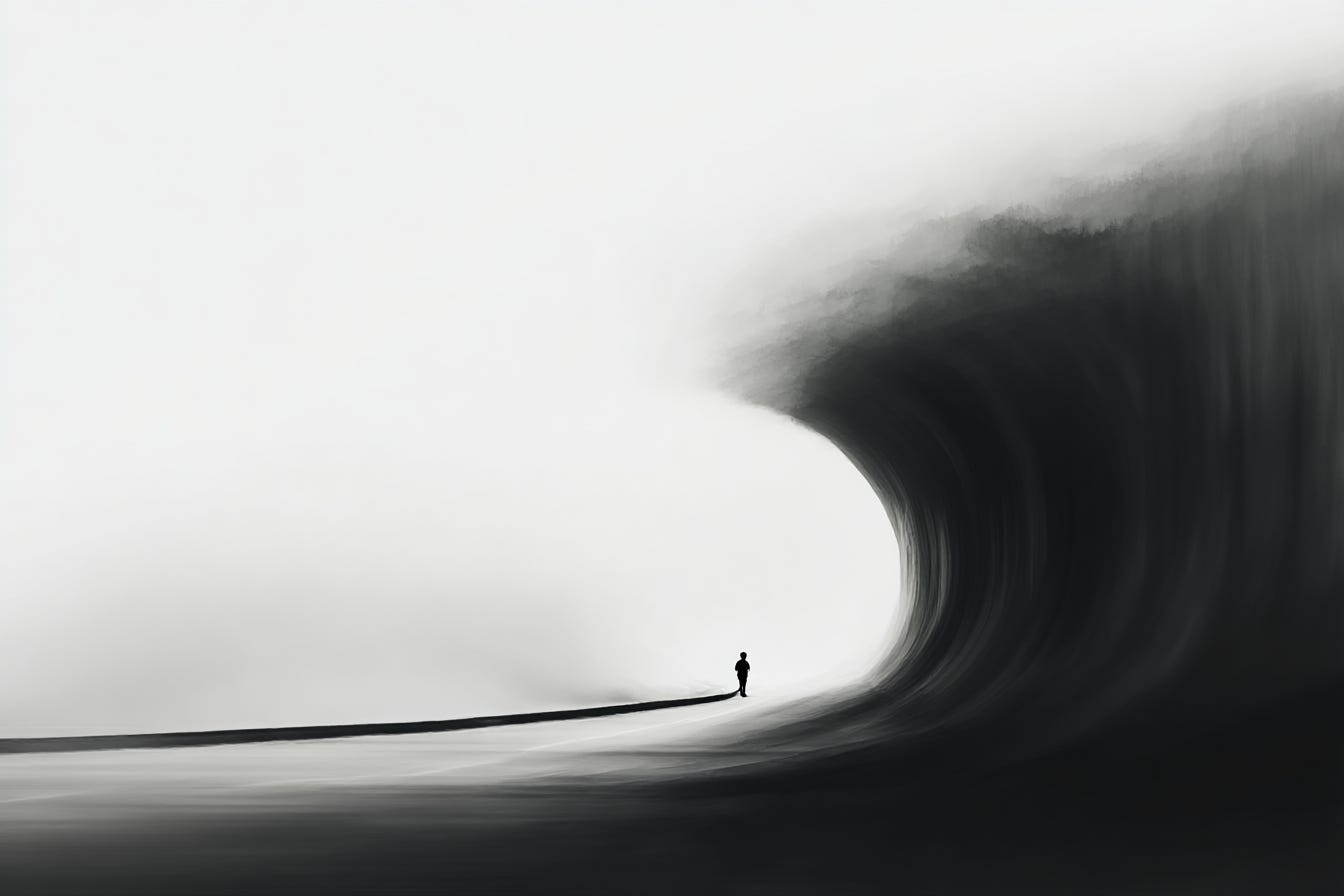
Momentum is hard to restart. Bundling protects the flow. Emotional continuity inside a poem or soundscape fades quickly when interrupted. Constant switching leaks energy in ways no schedule can recover.
So when the window opens, I don’t count minutes. I dive in and let the work take the shape it needs. I can clean up later.
Bundling isn’t a productivity trick for me. It’s a way to stay honest about where my attention has already gone.
What Productivity Metrics Miss
Productivity culture measures what can be seen: frequency, streaks, output, schedules.
Presence doesn’t fit into metrics.
You can’t spreadsheet immersion. Showing up on schedule often means showing up thin and distracted. The writing gets done, but it feels provisional.
Bundling flips that logic. I disappear on purpose so that when I surface, something intact often comes with me. Not always—but often enough.
I don’t optimize for visibility. I optimize for being there.
I’m less interested in proving that I was present than in knowing that I actually was.
The Cost of Working in Bundles
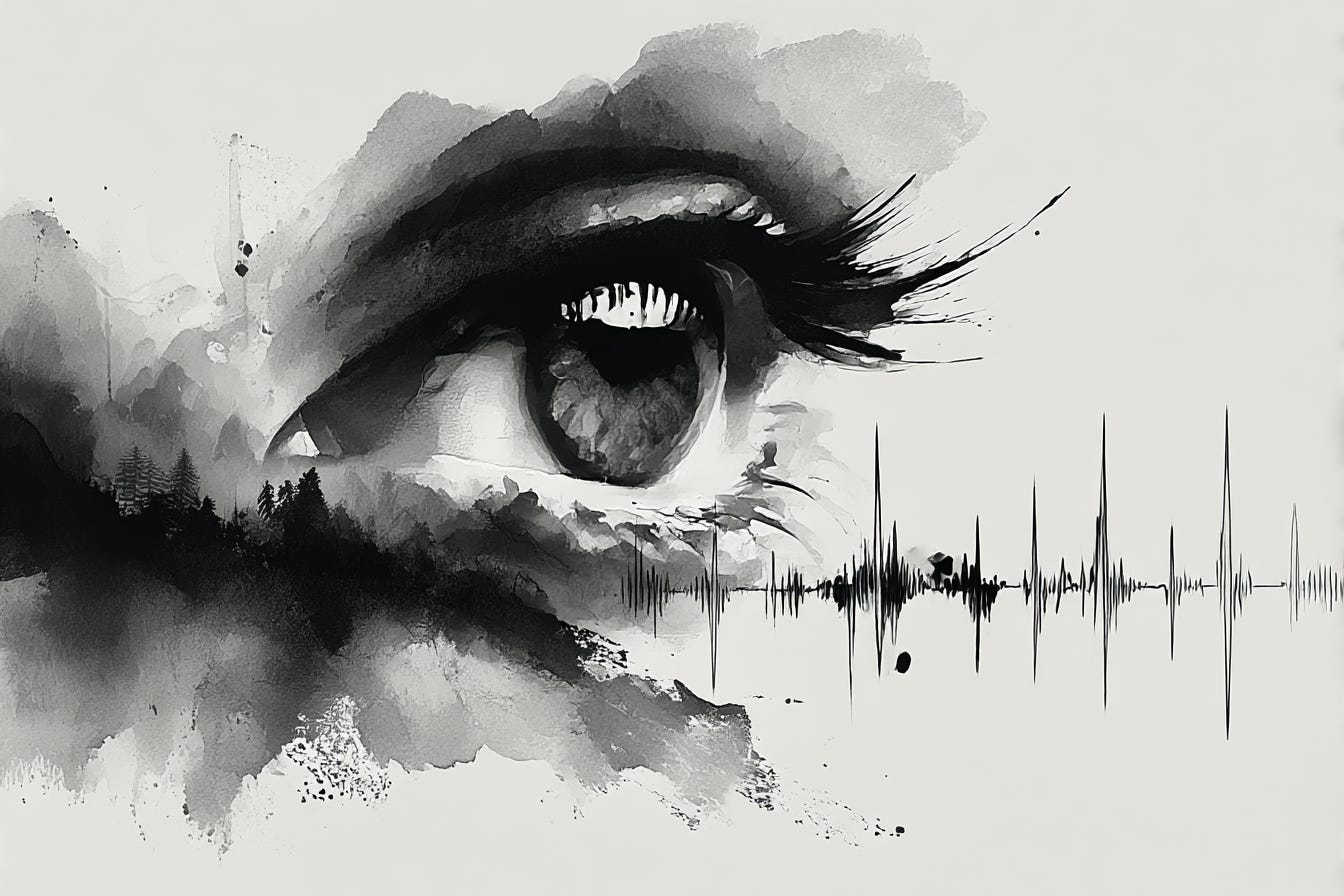
This way of working isn’t tidy. There are long stretches where nothing gets published and nothing looks productive. It looks like absence, even when I’m working intensely.
When something finally goes out, the stakes are higher. The work carries more weight, which can create pressure.
The Tradeoff I’m Willing to Make
I spend less energy pretending to be available and less time feeling guilty. I stopped apologizing to myself for how my attention moves.
The risk is real: longer gaps, higher pressure, fewer chances to soften impact through repetition.
There is also a calm that comes from not constantly resisting my nature. I’ve accepted this tradeoff.
Learning to Trust My Own Rhythm
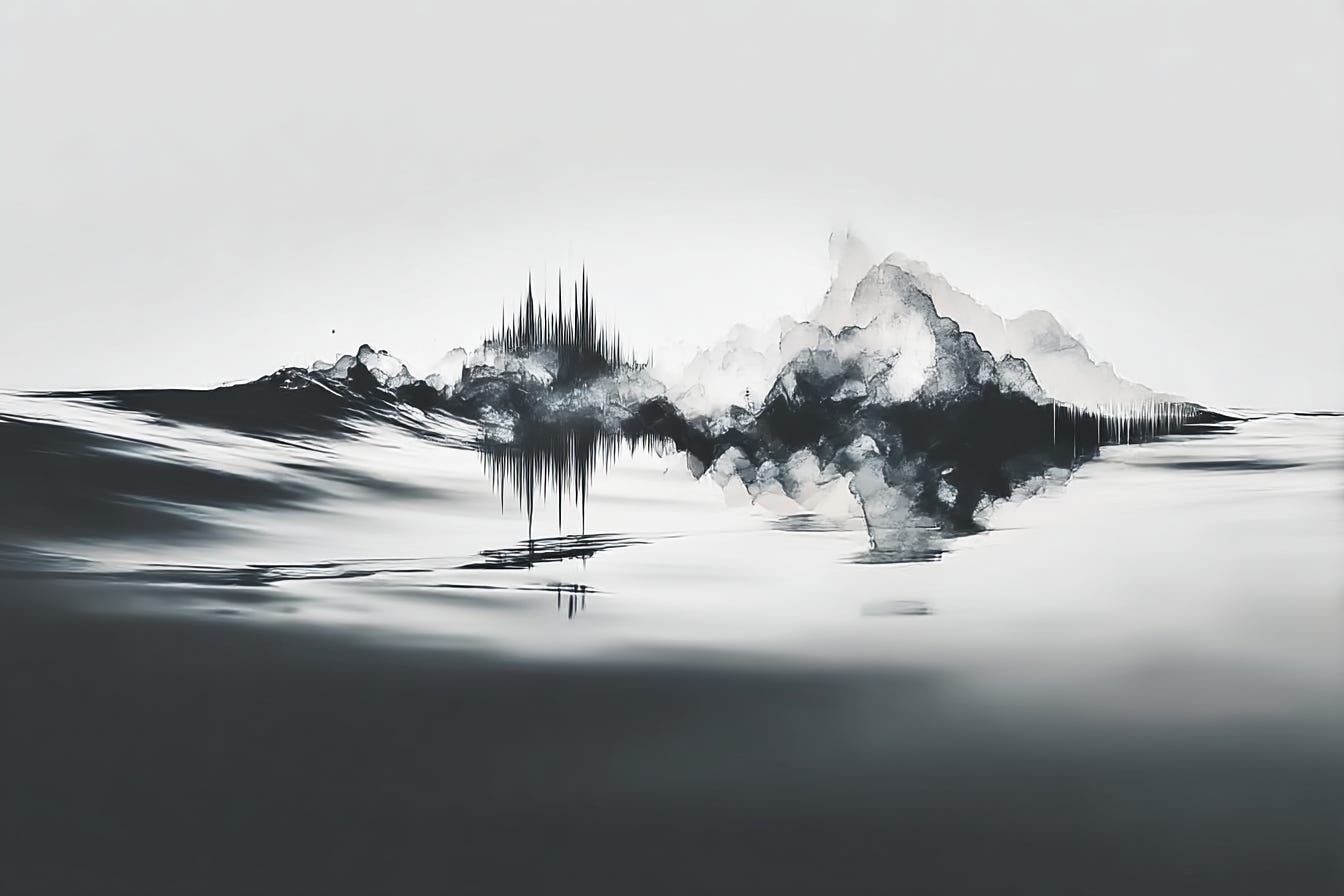
Consistency isn’t the villain, but for my writing, regularity matters less than resonance.
I care about alignment—working in a way that matches how my attention actually moves. When I honor that movement, there’s less friction and less internal negotiation.
Bundling stopped being a strategy and became a form of self-trust. Not rebellion, just refusal to borrow a rhythm that was never mine.
On Finding Your Way
I’m still learning to notice when attention is available instead of forcing it. Some days that means doing very little. Other days it means disappearing into the work.
There’s no single right rhythm, only the one you can sustain without breaking trust with yourself.
Your unique rhythm is the one you don’t have to explain.
Your Presence Here Matters
Thank you for supporting this evolving project, even when the work is abstract, layered, and hard to explain.
As always, I’m glad to hear your thoughts.
Own your glitch.
Yours,
Sam
ps. I appreciate if you take a moment to leave your thoughts on my Readers Corner.

- - - - - - - - - - - - -
Discover my Poetry or read more about my writing process:

Did you miss the latest Artist’s Update?


What would change if you worked true to your rhythm?
WHAT IS HUSH HALO?
Hush Halo is a dystopian fantasy poetry collection set in a near-future shaped by technology, silence, and optimized perfection. Each poem is paired with its own immersive soundscape. Learn more in Square One.
Context: After the Great Optimization, a privileged group integrated into the system, believing they had now perfected themselves.

POETRY · WRITER’S UPDATE · BUY BOOKS · SHOP · LINKS
Hush Halo is an indie art project.
To follow and support my work, consider
becoming a free or paid subscriber.
🖤Feeling it? Share your thoughts ↓
Well that was an amazing read and it is nice to not resist and just go with the flow depth with presence instead of just showing up. Have a good one!!!
i love this! we are similar! ♥️