


The idea is alive in you but language refuses to follow. That moment when you know exactly what you mean but cannot find a single word that fits.
I often start writing at the place most people stop.
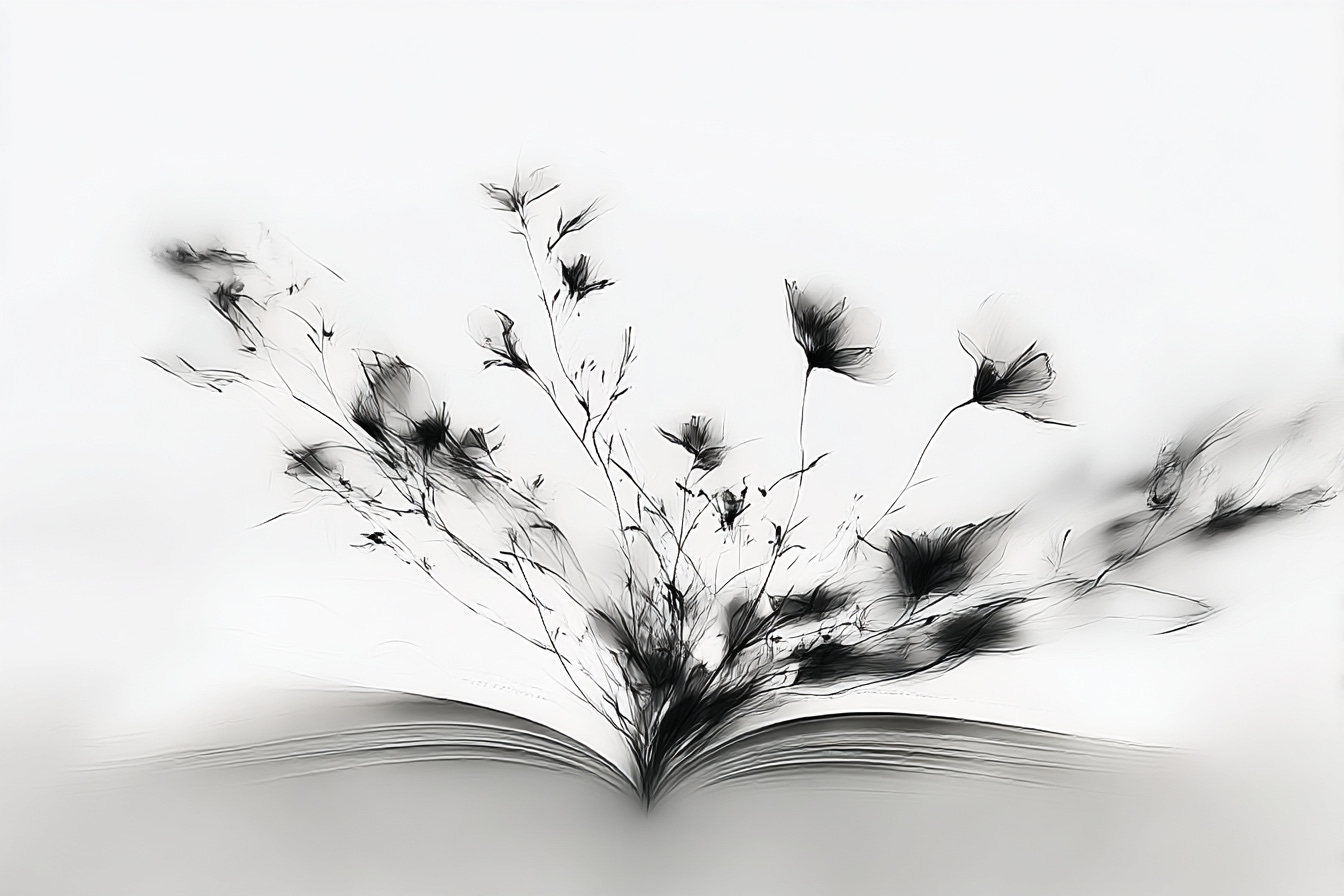
When Language Shrinks and the Feeling Grows
There are moments in this project when the words are simply not enough. I sit down to write a scene and I can feel exactly what I’m reaching for, but the vocabulary refuses to show up. It is like standing in front of a thin veil. I know something is on the other side. I can feel its weight and its outline. I just can’t quite see it yet.
That gap between knowing and naming is usually the sign that I’m finally in the mud. This is when my hands start expressing the air and my tongue starts moving on its own, tasting the words silently.
The poem wants something I don’t have the language for yet.
I have to go in anyway.
Feeling My Way Through
This part always happens instinctively. I start with a clean idea, usually something I pulled from my Excel system, and suddenly it just does not fit anywhere. The words fall apart. I’m lost before I’ve begun. Instead of pushing harder, I step into the fog and let intuition take the wheel. I follow the pulse of the idea, not the language wrapped around it.
It feels strangely freeing. Syntax stops guiding me. The context turns liquid. The poem becomes a forest with roots I keep tripping over, and the only way forward is to feel my way through.
Sounds almost romantic, right?
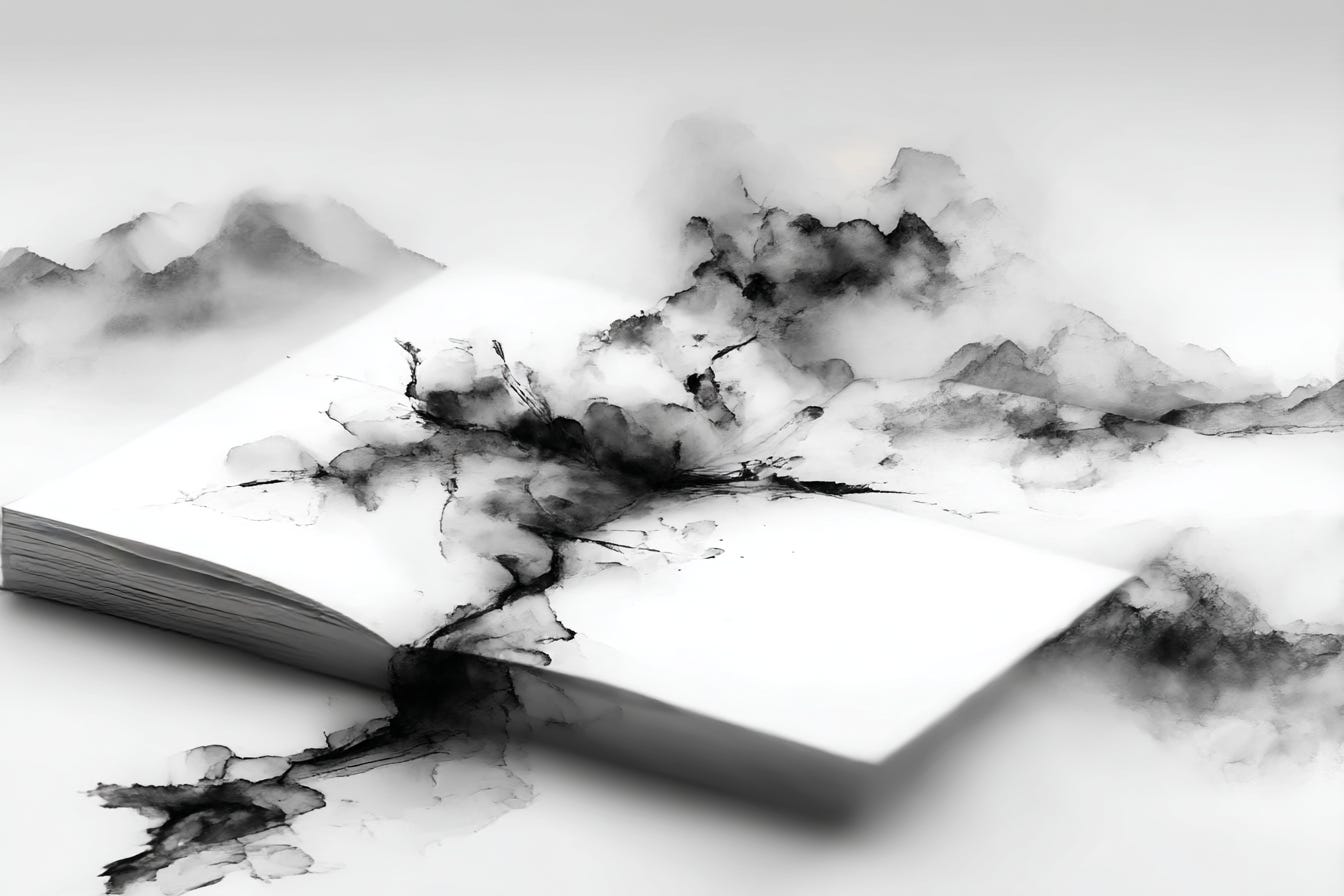
It’s Digging, Not Thinking
Here I write in impressions and try to feel the textures. Whatever I am trying to reach is hiding just out of sight. I cannot just stand up and go looking for it. Instead I sink deeper.
It is that glossy-eyed kind of focus where you try to pull something up from the bottom of yourself. It feels like walking down branching paths inside your own mind without having a clue where they go or how deep they drop.
Sometimes the turn is so absurd it makes me laugh out loud. I once started a poem with some fancy intention and ended up writing about fast food and DoorDash. My brain tossed the idea at me from nowhere, and I just grabbed it.
The shift made no sense and felt completely right. This poem had picked a different door, and in that short moment I was open and brave enough to walk through it.
Co-Writing with Your Weirdness
Sometimes, when meaning hides, the rhythm helps to fill in the blanks. Sometimes I use silence instead. Negative space shows me what is missing, what is unsaid. My intuition grabs a memory, a stray metaphor, a childhood scene.
I often end up describing something with words that technically do not belong. I once compared the atmosphere of social media to the feeling of performing for dolls as a kid. On paper it makes no sense. Emotionally it landed with perfect accuracy. The poem understood something before I did, again.
To me that is poetry at its best.
Whether you are the one writing or the one reading it.
Taking a Breath
When a poem grabs me like this, it is both fun and humbling. Sometimes I honestly feel like I am stealing from the ether. I look at the lines and wonder if these are even my words. Where did they come from.
This is when I need to take a step back and let it breathe. When I return to the poem after some distance, I can see what I actually created. If it has the potential to resonate with someone else. If it is worth publishing.
I have sort of tamed it now, and I get to polish it if I want. At this point the poem usually behaves. Poem should never be pinned down, but to leave it with enough mystery so it can travel on with someone else.
Poetry is never a clean explanation. It is more like a shakedown or a gentle direction.
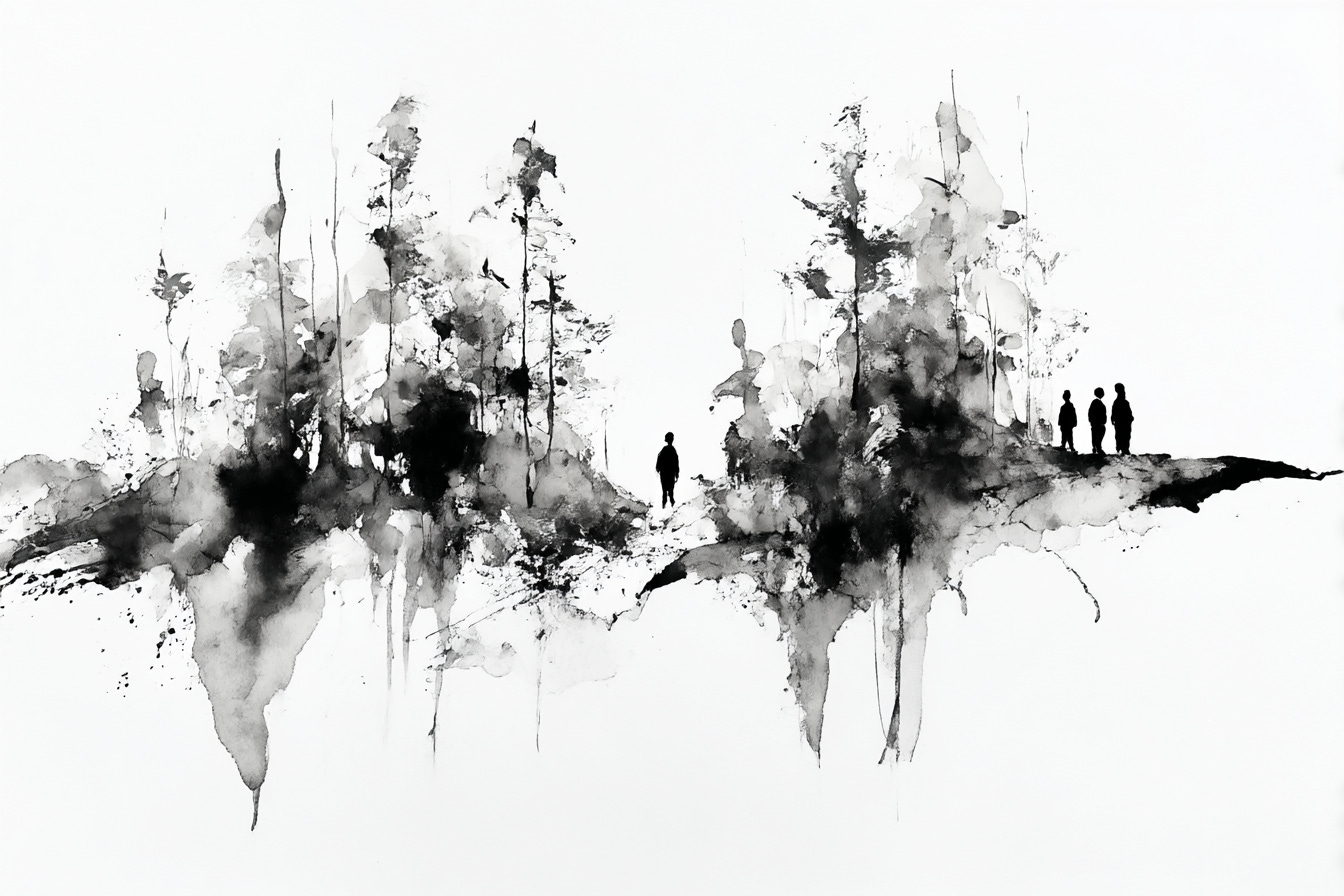
Building Worlds with Poetry
Working at the limits of language has taught me that I don’t need to know where a poem is going. But I do need to understand its fantasy realm and its dystopian frames, the poem’s playfield if you like.
Sure, I need words to write, but I cannot let the words lead me. The Hush Halo grows deeper because I let it lead. Yet I still need a sense of the larger direction.
The unknown is not a problem.
It is the whole point.
If you compare, creating common content is like building Legos with instructions. Writing poetry is building Legos without instructions, during an earthquake. You work with what you have, without much control. It’s only when everything settles, you can start fixing it.
In The Hush Halo I write about the realms and backstories mostly for myself. They are tools I lean on as I build this dystopian fantasy world. My way of keeping my Legos, well, maybe not in a box, but at least within reach.
Every wrong word might become the real one.
What about you? Have you ever followed an idea that made no sense at first but turned out to be exactly right?
WHAT IS HUSH HALO?
Hush Halo is a dystopian fantasy poetry collection set in a near-future shaped by technology, silence, and optimized perfection. Each poem is paired with its own immersive soundscape. Learn more in Square One.
Context: After the Great Optimization, a privileged group integrated into the system, believing they had now perfected themselves.

POETRY · WRITER’S UPDATE · BUY BOOKS · SHOP · LINKS
Hush Halo is an indie art project.
To follow and support my work, consider
becoming a free or paid subscriber.
🖤Feeling it? Share your thoughts ↓
Yes, I so know the feeling when you know there’s a right phrase but it refuses to come! It’s both irritating and exciting, since finding the right words always teaches me something. The difficult moments in writing, sometimes I feel those are the ones that help us grow best
To me, It feels like carving fruit from the softest part of my own body and offering it up, bruised and luminous, still bleeding truth onto the page.