

Understanding who naturally connects with your work can change the way you create. You can finally stop trying to speak to everyone and start recognizing the people who were probably listening all along.
I’ve been trying to define the kind of minds Hush Halo seems to pull in. In doing so, I learned quite a bit about my own writing too.

Who Do I Write For?
Am I a bit late to this question? Who do I actually write for?
Some days it feels like I’m writing for Substack. The system, the algo, whatever keeps things moving. Other days it’s just me, writing to myself. But if I’m honest, I do enjoy having an audience. So again, thank you for reading my stuff.
Lately, I’ve been thinking about this more seriously. Who gravitates toward this kind of work? Who ends up here naturally?
If I look at it honestly, my audience isn’t broad. Dystopian poetry with soundscapes already narrows things down quite a bit. You don’t just stumble in and stay, you must really enjoy my kind of weird.
Brand Archetypes
For several years, in my actual job, I’ve leaned on brand archetypes in my work. They’re a surprisingly simple way to understand who you’re really speaking to, whether the goal is commercial or not.
The system loosely builds on Jungian archetypes, but in practice it’s less about psychology theory and more about recognizing patterns in people, motivations, and emotional pull.
What happens, when you start seeing these patterns? Your audiences, and even characters, stop feeling like faceless demographics and start feeling a lot more human.
TAKE THE POLL BELOW!
Let me know, if you are one of these.
C’mon, let’s have some fun!
Coloring With Steretypes
As an example, I’ll bring up Hush Halo audience stereotypes. I created these archetypes for this piece, but it opened my eyes once again to step up a level in my writing.
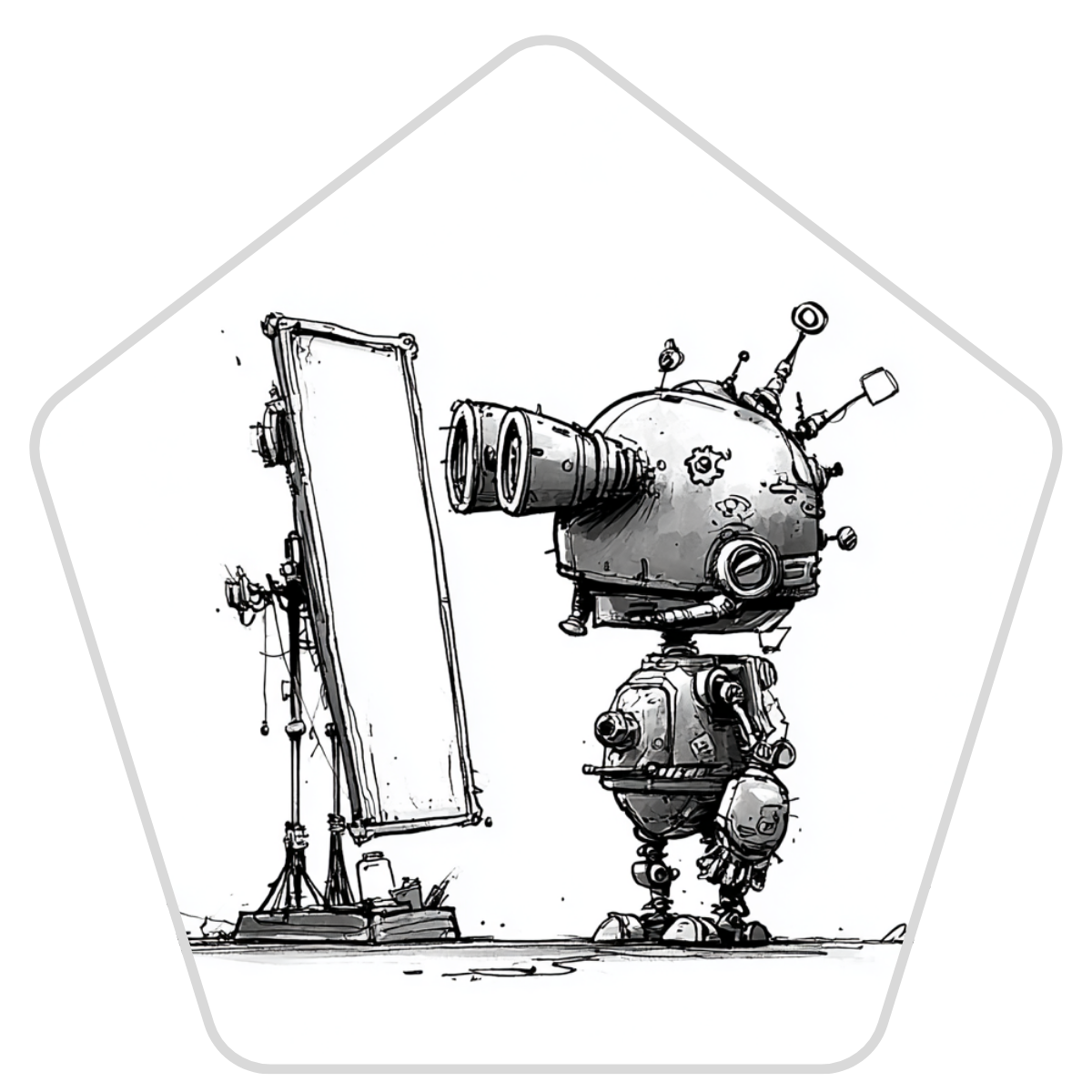
#1 The System Watcher
The System Watcher quietly notices how things are built: systems, identities, trends, social rules, even conversations. They keep spotting the seams, cracks, and invisible structures underneath.
They don’t read dystopia as pure fiction, but more like a slightly exaggerated mirror of real life. They’re naturally drawn to layered ideas, uncomfortable questions, and work that leaves space for interpretation. Overexplaining usually pushes them away.
That’s probably why Hush Halo resonates with them. I leave gaps, glitches, and unanswered tension on purpose. The System Watcher enjoys connecting the dots themselves.
Are you a System Watcher?
In my writing, I try to respect your intelligence. Less explaining, more atmosphere. Less certainty, more quiet recognition. I’ll lean on a feeling that something is slightly off, even if it can’t be fully explained.
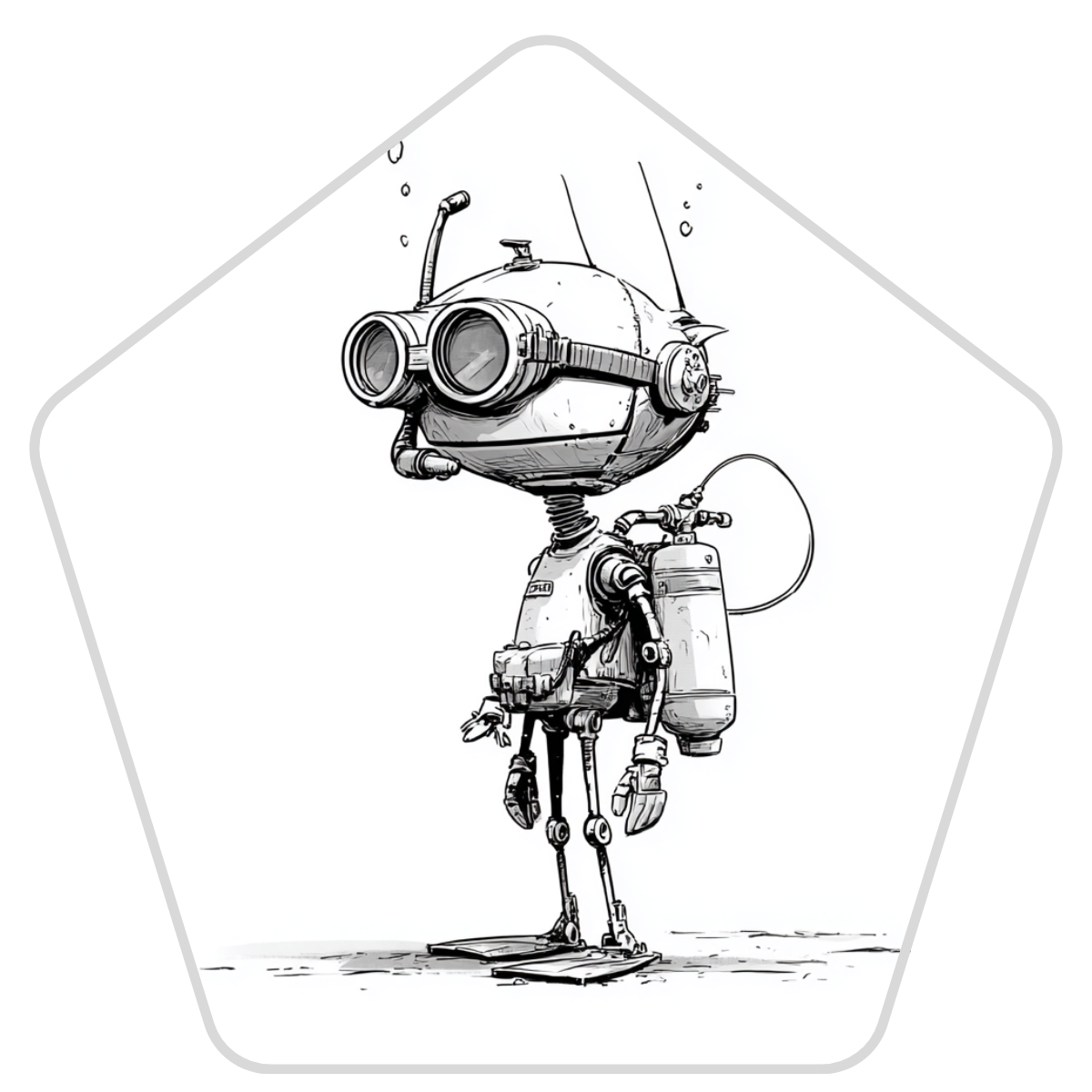
#2 The Inner Diver
The Inner Diver is less interested in the world itself and more in what the world reveals internally. Identity, awareness, emotion, that shift from not knowing to knowing. They naturally turn inward, trying to make sense of what’s happening underneath the surface.
They don’t need clear answers or perfectly explained endings. In fact, too much certainty often makes things feel flatter. They prefer work that leaves room to reflect and interpret.
Hush Halo resonates with them because beneath the dystopian layer, the real movement often happens internally. Realizations, emotional glitches, subtle shifts in awareness.
Are you an Inner Diver?
In my writing, I try to leave you space to think and feel for yourself. Less direct explanation, more emotional atmosphere. Not everything needs to resolve immediately.
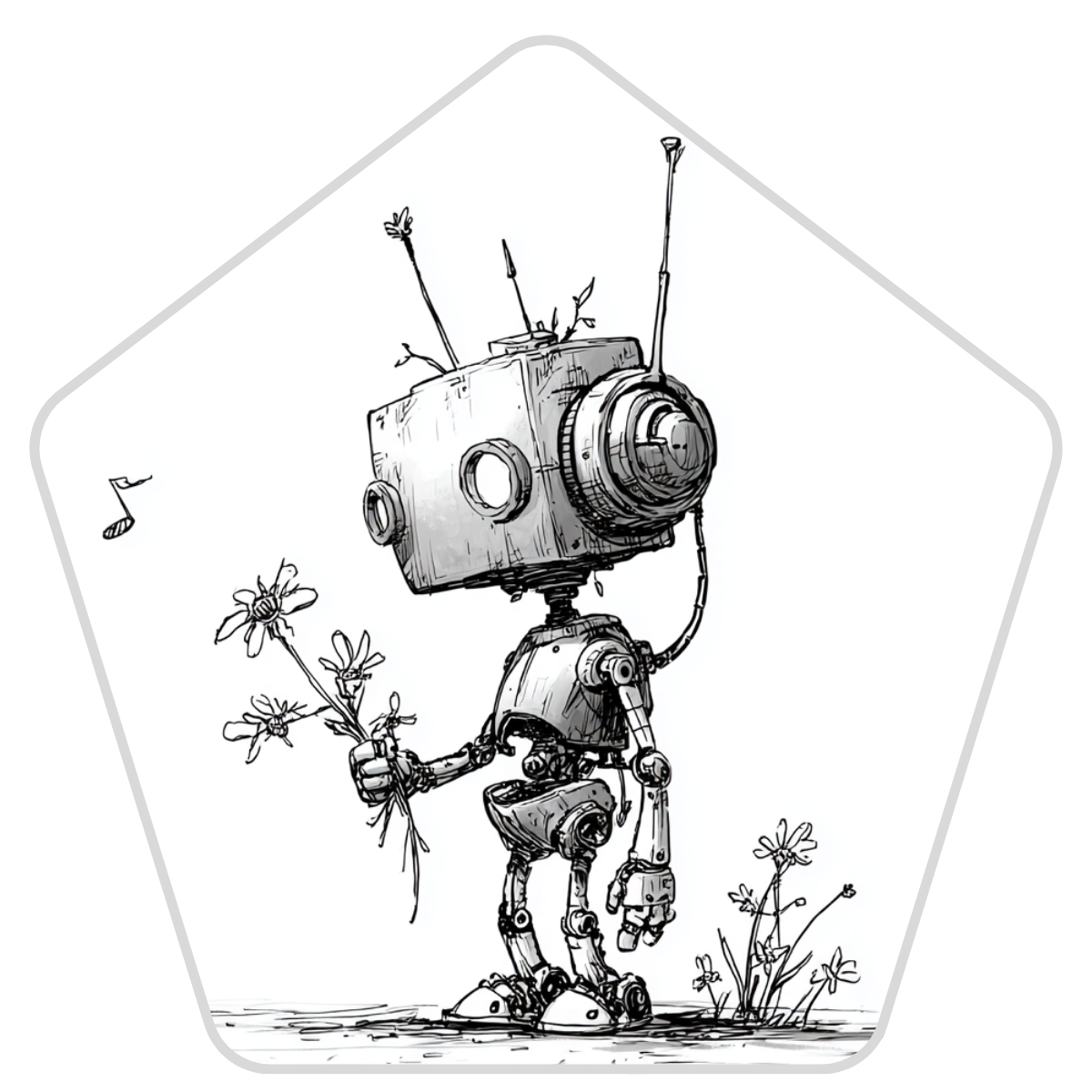
#3 The Aesthetic Listener
The Aesthetic Listener doesn’t necessarily arrive for poetry first, but for the feeling: tone, rhythm, sound, atmosphere. They experience things emotionally first.
They’re highly responsive to mood and aesthetics. A sound, visual, or pacing can pull them in instantly. The soundscapes often reach them before the words, and that’s perfectly fine. For them, the experience matters just as much, if not more, as the meaning.
Hush Halo resonates with them because my poems live beyond the page, leaning strongly on atmosphere too.
Are you an Aesthetic Listener?
In my writing, I try to create something you can step into, not just read. Less explaining, more sensing, as your senses register first and foremost.
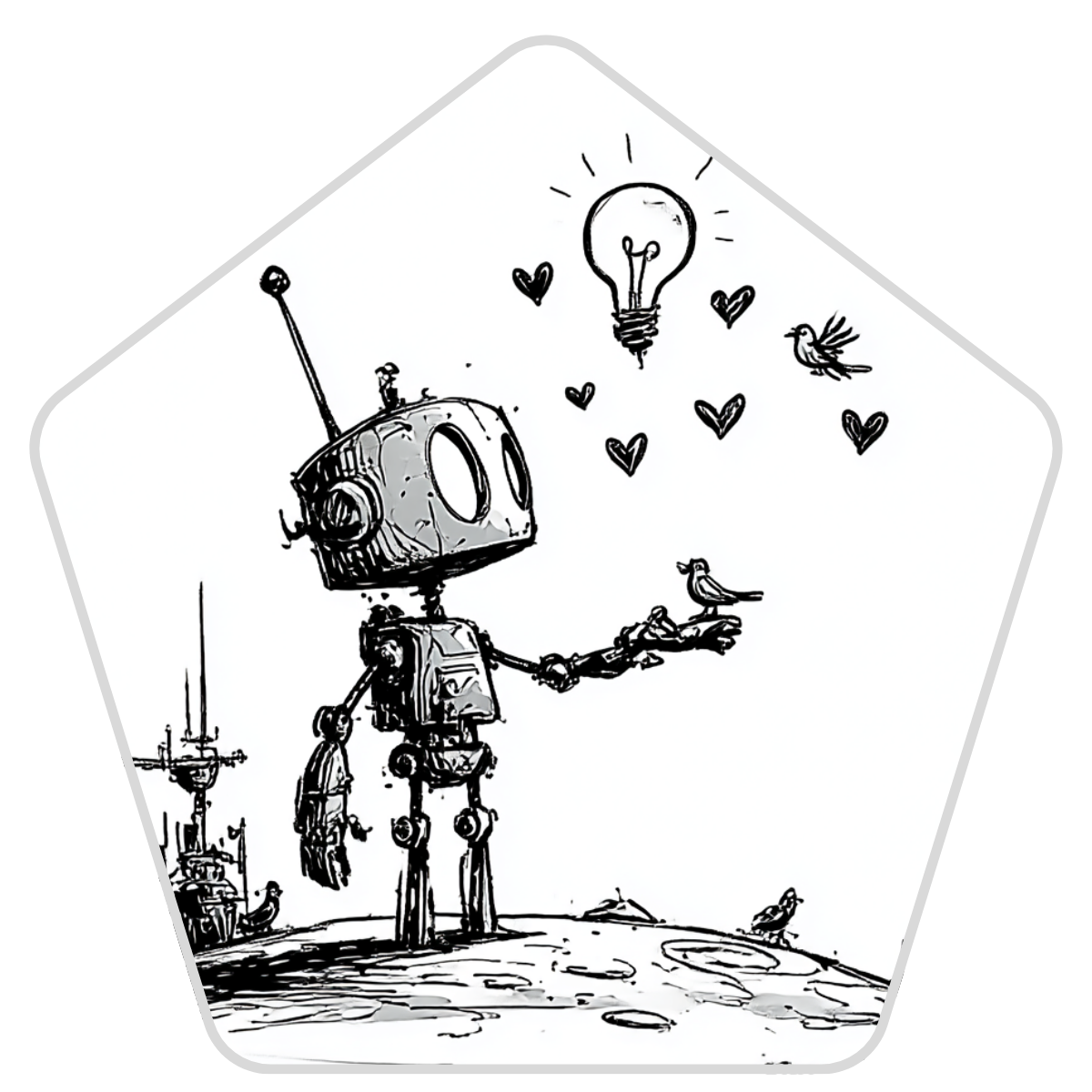
#4 The Sci-Fi Romantic
The Sci-Fi Romantic still believes in big ideas, even the darker ones. They’re drawn to alternate realities, strange futures, and symbolic worlds. They don’t read to escape this reality, but to understand it.
They naturally think in “what if” scenarios. What if society keeps going this way? What if identity changes? What if perfection becomes the problem? They don’t mind going a bit deep or weird.
Hush Halo resonates because beneath there’s always something human hiding beneath the dystopian layer. The strange worlds and concepts are really just mirrors pointing back toward us.
Are you a Sci-Fi Romantic?
In my writing, I try to give you worlds that feel symbolic, but not distant. Maybe offering you a read where strange ideas can make your reality feel a little truer.
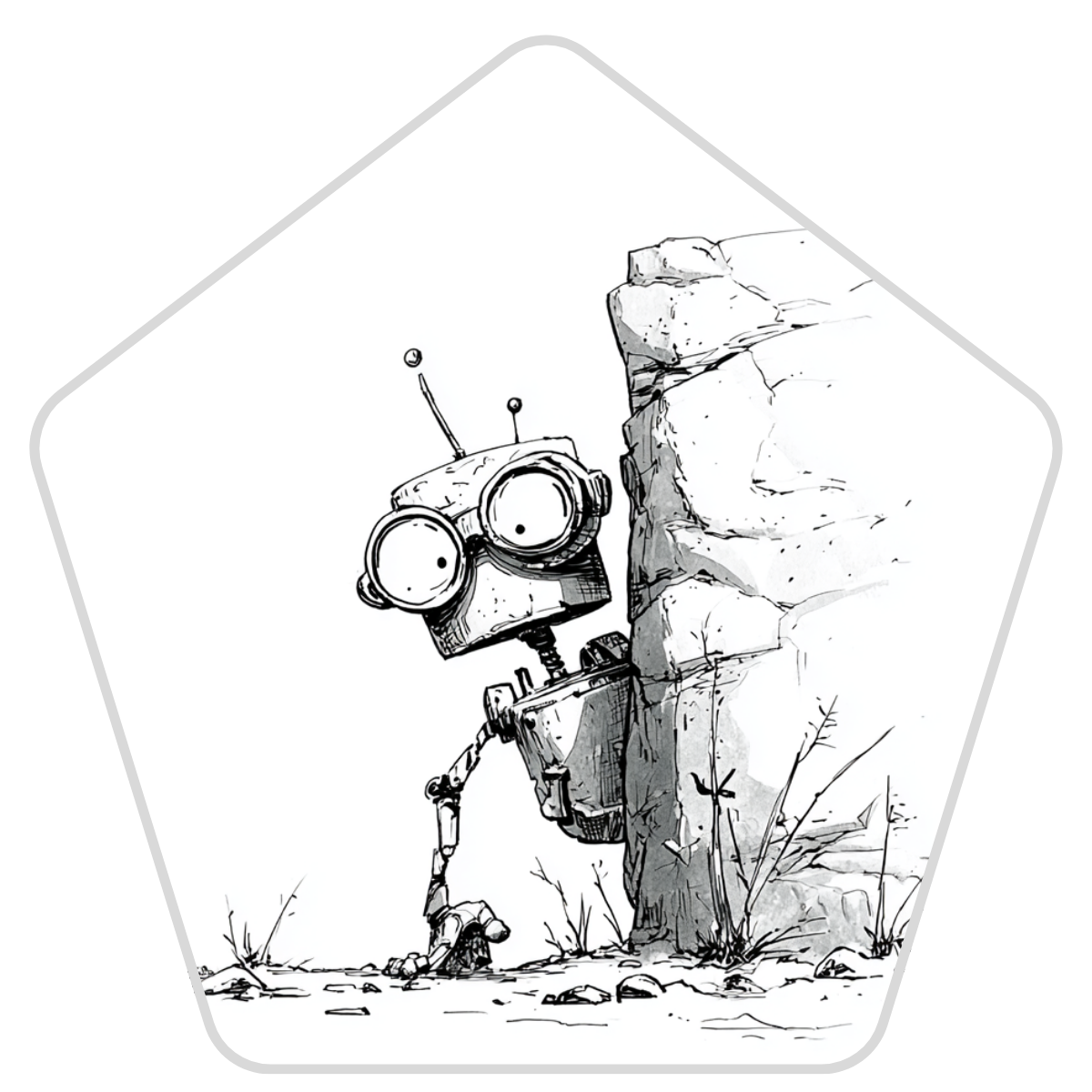
#5 The Quiet Outsider
The Quiet Outsider never fully feels at home, just slightly out of sync. They move through the world ordinary enough, yet there’s a feeling of distance underneath.
They don’t usually fight systems loudly. If anything, they prefer staying under the radar, but I see you... They can sense when things are off, even slightly artificial, performative, or emotionally disconnected.
Hush Halo doesn’t feel strange to them, but familiar: the unspoken tension, the emotional distance, the feeling of observing the world while never fully merging with it.
Are you a Quiet Outsider?
In my writing, I want to create space to feel privately, discreetly, without making a big deal out of it. Offer a recognition that not fully fitting in can give you a sharp way to connect the dots in life.
I can only add five options on the pull.
If you’re none of these, I’d love to hear
your take on this in comments.
So, What Did I Learn?
My readers search for writing that reflects what they already sensed, but didn’t have words for.
They think in layers.
They question systems, identities and narratives.
Their inner world and the outside world mirror each other.
They are drawn to atmosphere.
They don’t want everything explained.
They are not driven by trends or polished perfection.
Not every question needs an answer.
Depth matters more than volume.
What About Your Audience?
It’s not only great FUN, it will most likely bring you relief, actually save your time, help you regain focus and spread your word. This kind of audience analysis can truly change how you approach your own writing.
Once you begin recognizing who naturally connects with your work, you stop trying to write for everyone at once. It can help you understand why certain people deeply connect with your work while others simply don’t.
Why Bother?
You stop over-explaining and start trusting your audience to think alongside you.
You can focus less on information and more on creating a tone and feeling people actually remember.
You can allow more personality and imperfection into your work, instead of polishing everything flat.
You will create work people revisit, save and think about later.
Communication becomes consistent and your voice comes recognizable.
You waste less time and energy chasing trends.
You may learn what your voice truly sounds like.
What if,
defining your audience
will help you define yourself
better as a writer?

WHAT IS HUSH HALO?
Hush Halo is a dystopian fantasy poetry collection set in a near-future shaped by technology, silence, and optimized perfection. Each poem is paired with its own immersive soundscape. Learn more in Square One.
Context: After the Great Optimization, a privileged group integrated into the system, believing they had now perfected themselves.

POETRY · WRITER’S UPDATE · BUY BOOKS · SHOP · LINKS
Hush Halo is an indie art project.
To follow and support my work, consider
becoming a free or paid subscriber.
🖤Feeling it? Share your thoughts ↓
Your writing feels less like content and more like a mirror for people who quietly notice the cracks beneath everyday life. Do you think writers naturally attract certain archetypes, or do their audiences slowly shape the voice over time?
Your work is like a world I get to inhabit with my imagination. Put another way, you provide the patio with its beautiful views and I bring the patio furniture. Which is why I love it so very much. I could say so much about the unique presentation and rich audio visual blends, but all of that lands because you allow space for me to use my imagination to fill part of your world. That is both fulfilling and rare. And probably not at all rewarded by the algorithm.
It is extremely timely that I read this today, because this is exactly what I have been wrestling with over the last several weeks. I know what I've created. I have no idea who my audience is or how to translate it into a door people know how to walk through.
And that is a very strange place to find yourself in.